

Labor Day 2026 arrives on Monday, September 7, and it offers Wisconsin business owners something more valuable than a long weekend: a genuine opportunity to reflect on the people who make everything work. From the shop floors of our manufacturers to the front desks of our professional service firms, from construction sites to clinics, Wisconsin runs on the skill and dedication of its workforce. This Labor Day, let’s take a moment to consider what the holiday really means — and how your business can honor it in ways that matter.
A Holiday Rooted in Respect for Work
Labor Day became a federal holiday in 1894, born of the American labor movement’s push to recognize workers’ contributions to the nation’s strength and prosperity. More than 130 years later, the spirit of the holiday remains the same: work matters, and the people who do it deserve recognition.
That message resonates deeply in Wisconsin. Ours is a state built on making things — paper, machinery, food and beverages, precision components — and on the trades, services, and care professions that support our communities. Whether your team assembles products, manages projects, serves clients, or keeps the books balanced, Labor Day 2026 is their day.
Why Labor Day Matters for Your Business
It’s easy to treat Labor Day as simply the unofficial end of summer — the last cookout, the final trip up north, the signal that fall is coming. But for business owners, the holiday carries practical significance worth pausing over.
Your people are your competitive advantage. Equipment can be purchased. Software can be licensed. But an experienced team that knows your customers, your processes, and your standards? That takes years to build and is nearly impossible to replace. Labor Day is a natural moment to acknowledge that reality.
Recognition builds retention. In a labor market where skilled workers have options, the businesses that thrive are the ones where people feel valued. A sincere thank-you costs nothing, yet it’s one of the most effective retention tools available. Labor Day 2026 gives you a built-in occasion to express appreciation without it feeling forced.
Your community is watching. Wisconsin customers notice how businesses treat their employees. When you publicly celebrate your team — on your website, in your newsletter, on social media — you’re not just boosting morale internally. You’re telling your community what kind of company you are.
Meaningful Ways to Mark Labor Day 2026
You don’t need a big budget or an elaborate plan to honor the holiday well. Here are practical ideas that fit businesses of every size:
Thank Your Team Directly
 A handwritten note, a personal conversation, or a short message from ownership carries more weight than any generic announcement. Be specific. Mention the project someone carried across the finish line, the customer problem someone solved, the extra effort someone gave during a busy stretch. Specific gratitude is memorable gratitude.
Share Your People’s Stories
 Consider a blog post or social media feature spotlighting long-tenured employees or teams behind a recent success. Manufacturers, contractors, and service firms alike have employees with remarkable stories — decades of service, mastery of a difficult craft, mentorship of the next generation. These stories humanize your brand and honor the individuals behind it.
Close if You Can — and Mean It
If your business can close for the holiday, do it, and encourage your team to truly unplug. If your operations require holiday coverage, make sure those working are recognized and, where possible, rewarded. Nothing undermines a Labor Day message faster than treating it as just another Monday for the people keeping things running.
Reflect on How Work Gets Done
Labor Day 2026 is also a fitting time for leadership to step back and ask honest questions. Are workloads sustainable? Do employees have the tools they need? Are new technologies — including AI — being introduced in ways that support your people rather than simply squeeze more from them? The best companies use technology to remove drudgery, so their teams can focus on the skilled, satisfying work that machines can’t do.
Labor Day 2026 and the Season Ahead
 For many Wisconsin businesses, Labor Day marks a turning point in the year. Summer projects wrap up. School schedules resume. The fourth quarter comes into view. That makes the holiday a natural checkpoint for planning.
As you look toward fall, consider building employee appreciation into your ongoing rhythm rather than saving it for holidays. Regular recognition, clear communication, and investment in training pay dividends all year. Businesses that treat every week a little more like Labor Day—with genuine respect for the work being done—tend to keep their best people and attract more like them.
A Word of Thanks
At its heart, Labor Day 2026 is simple: it’s a day to say thank you. Thank you to the machinists and the marketers, the nurses and the estimators, the drivers and the developers, and everyone whose daily effort keeps Wisconsin’s economy strong.
So this September 7, fire up the grill, enjoy the last stretch of summer, and take a genuine moment to appreciate the people around you — at home and at work. Their labor is the reason we celebrate. Happy Labor Day 2026!
The blog post above was written with AI help for text and images, on behalf of our friends and vendors, Mark and Keith from Great Lakes Tech Services and OnYourMark.com, respectively. We share it with you and invite you to use it yourself, with these lines of attribution, including a link to this original at https://www.WISX.com/labor-day-2026-wisconsin-businesses
Please contact us with questions. We do invite you to engage with us on social media (just not for immediate needs). Best to call, email or visit our site for the best response.
As always, if you like, you will find us on the following social media sites, among many others:
The post Labor Day 2026: Celebrating the People Who Power Wisconsin Business appeared first on Church Metal.
from Church Metal https://ift.tt/qbp7Aae


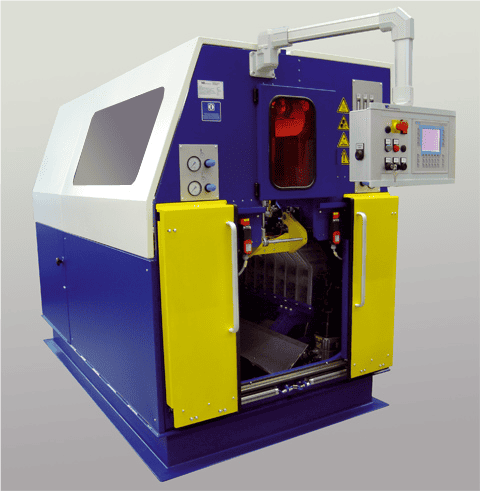
 Let me give you the figure that matters most. Compared to our former TIG process, we are seeing a 60 percent reduction in cylinder production time. That is not a typo and it is not marketing fluff. According to the case study Weil Technology published on our partnership, that is exactly what happened on our floor with our move to laser welded cylinders.